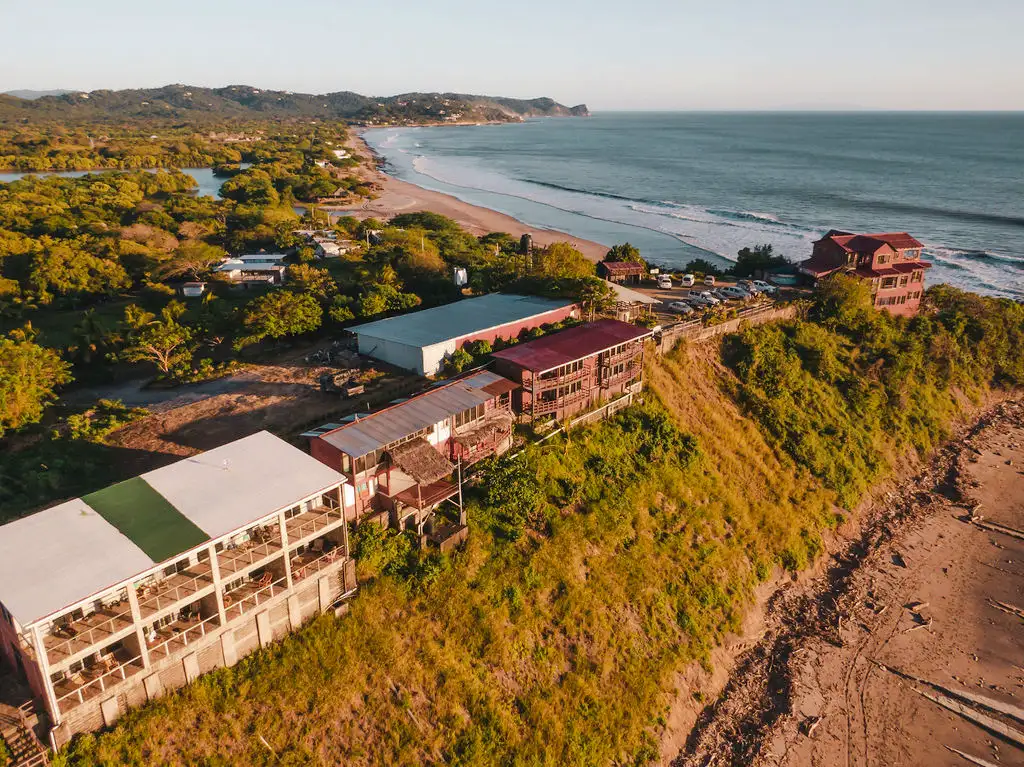

How to choose the “best time” for your surf trip
In Nicaragua, “best time” depends on what you want from the ocean each day. Some surfers want more swell, others want smaller and cleaner surf for longer windows.
It also depends on how you like to travel. If you need fixed dates, you will take what the season gives. If you can shift a few days, you can dodge the worst wind or weather windows.
Crowd is another reality check. Nicaragua has plenty of coastline, but most visiting surfers end up at the same breaks. If your goal is relaxed sessions, timing and flexibility help more than chasing a single “perfect month”.
The 4 factors that change the answer
- Swell
Swell sets the baseline for size, power, and consistency. It also decides which breaks start working and which don’t. - Wind
Wind can groom it or ruin a wave in minutes. In Nicaragua, local wind patterns can vary a lot between exposed beaches and sheltered setups. - Spot type
Beachbreaks, reefs, and points do not react the same way to the same conditions. A season that works for one type of wave can be frustrating on another. - Travel flexibility
If you can surf at the right tide, drive to a more sheltered spot, or move sessions earlier, you get more good surf days. If you cannot, the “best time” becomes the season that is most forgiving.
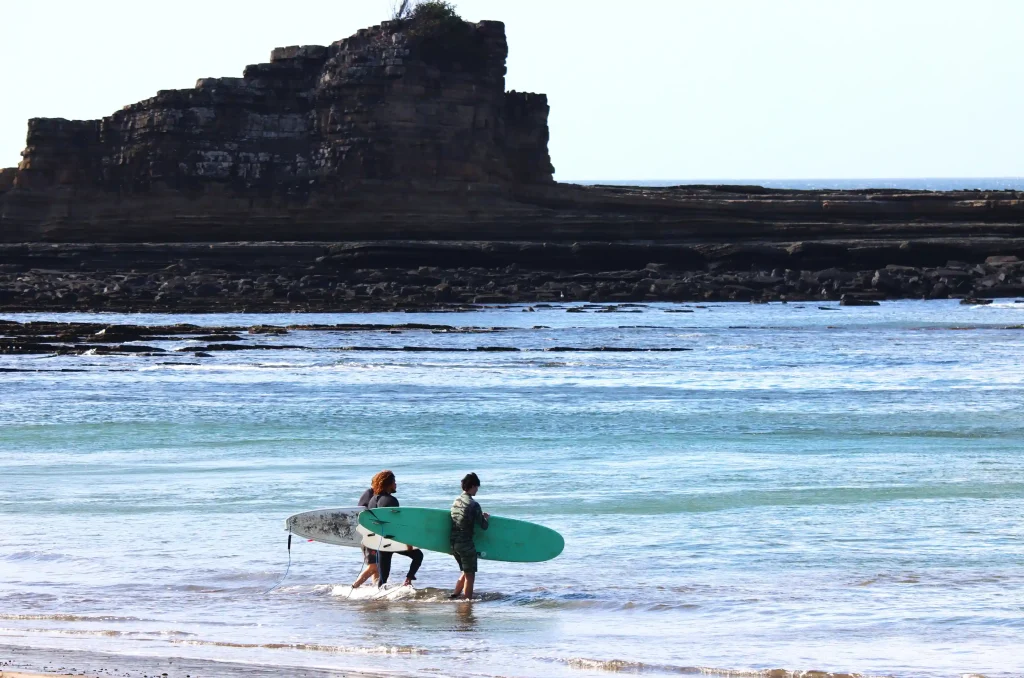
Nicaragua surf seasons at a glance
Most surfers split Nicaragua into two seasons: dry season and wet season. Dry season is more about wind and clean conditions. Wet season is more about stronger swell and fmore changeable weather.
Shoulder periods can be a good middle ground. You can get solid swell with fewer extremes, but it varies from week to week.
Dry season snapshot
The dry season tends to feel more stable on land. Days are often clear, and logistics are simpler. Wind is the main variable that decides wave quality.
When the wind lines up, surf can be very clean and consistent. When it does not, exposed beaches can get bumpy fast. Session timing becomes important, especially on open stretches of sand.
Wet season snapshot
Wet seasons tend to bring more consistent swell energy. Waves can have more push, and sets can arrive more regularly.
The rhythm changes because weather plays a bigger role. You may plan around rain cells or short-lived wind shifts. Many surfers like this season because it works best if you watch the wind and timing.
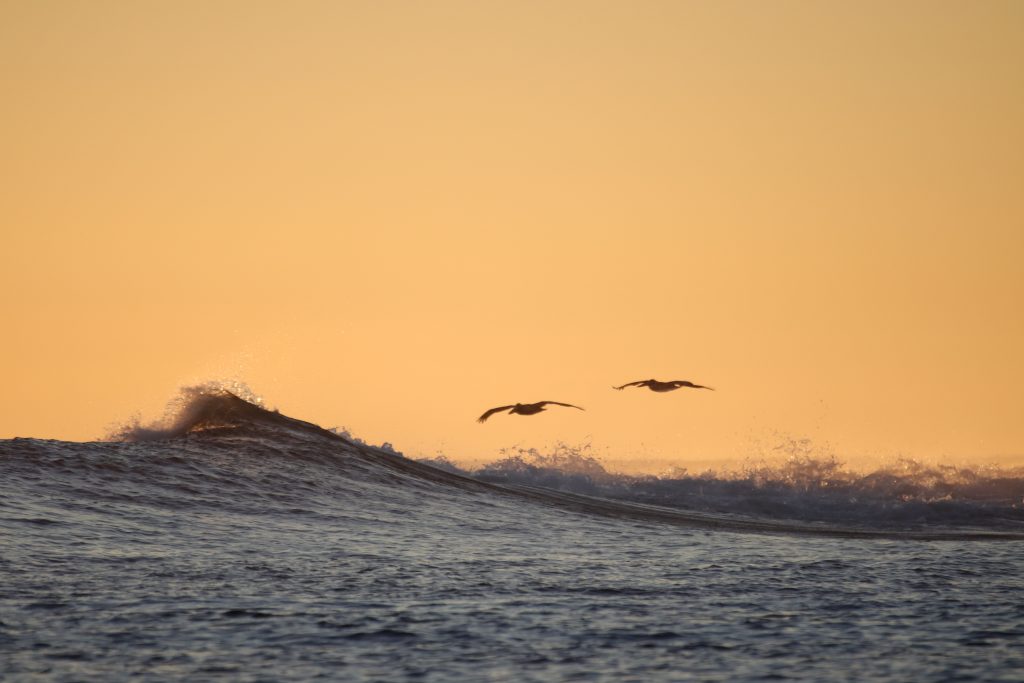
Dry season: what changes in the water and on the coast
The dry season is mostly about wind. The same swell can surf great or fall apart depending on how exposed your spot is. It is also a season where sand and river mouths can change the shape of beachbreaks over time.
Wind and the lake effect
In the dry season, wind patterns can be strong and persistent, and they do not hit every stretch of coast the same way. Wind gets funneled through gaps in the land, so one zone can be clean while another is bumpy.
In southern Nicaragua, the “lake effect” is the offshore wind you get when airflow funnels past Lake Cocibolca and out toward the Pacific. IIt often cleans the face up through many dry-season mornings. When it blows too hard, open beaches can get too much offshore, which makes waves harder to surf.
Sand movement and river mouths
With less runoff and steady winds, sandbanks can shift and reshape. That changes where peaks show up and how defined the takeoff is.
River mouths can tighten when flow drops and sand builds at the outlet. That can redirect currents and reshape the banks nearby. A beach that was working last week can break differently after a few days of wind and small surf.
Water temperature and comfort
Water comfort in the dry season is often about wind chill, not cold water. Long sessions can feel cooler when the breeze stays up.
Pack based on how you handle wind. If you run cold, bring a light option for windy sessions. If you stay warm, keep it simple and prioritize sun protection.
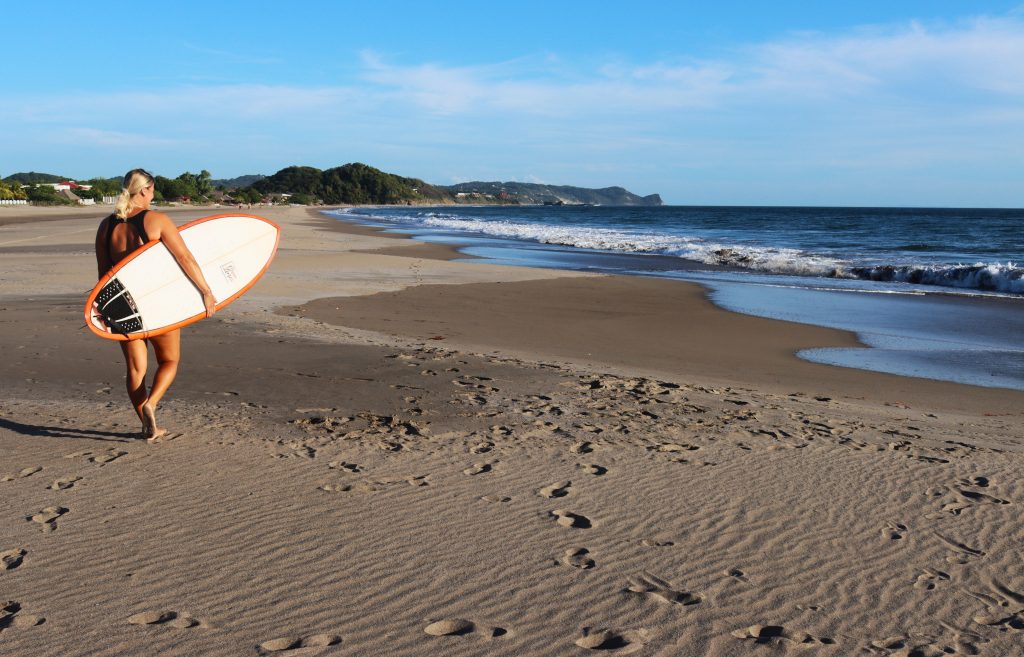
Wet season: why it can be the best time for many surfers
Wet season suits surfers who want more consistent swell and more surfable days. The trade-off is changeable weather, so you plan around windows instead of expecting the same conditions every session.
Swell consistency and wave energy
Wet season usually delivers more regular swell and more push through sections. That often means more days where you can count on surfable waves, even if it is not perfectly clean.
With more energy, waves move faster and punish hesitation. It is a good season for timing, positioning, and reading sets, because the ocean is more honest. When you are in the right spot, the wave connects and runs.
Wind, storms, and how they affect session planning
The wet season can shift quickly. A clean hour can turn bumpy, then settle again. Short storm cells can bring gusts and reduce visibility, which affects decision-making.
This is a season for flexible sessions. Surf the clean window when it opens. Choose setups that fit the wind angle instead of forcing the most exposed beach. Some days are about finding the best option available and making the most of the good windows.
Water temperature and comfort
Wet season often feels warmer, but heat and humidity add up over multiple surfs. You dehydrate faster and burn easily between clouds.
Keep your routine simple. Drink more than you think you need and stay on top of sun protection. If you get rashes easily, a rashguard and clean gear habits help over a week.
What changes on beaches and river mouths in wet season
Runoff and moving water can reshape beachbreaks faster than in dry season. Sandbars can form and shift quickly, which moves the peaks.
River mouths are more active, so currents near the outlet can be stronger after rain. Access can also change fast on dirt roads and low crossings, so build margin into your day.
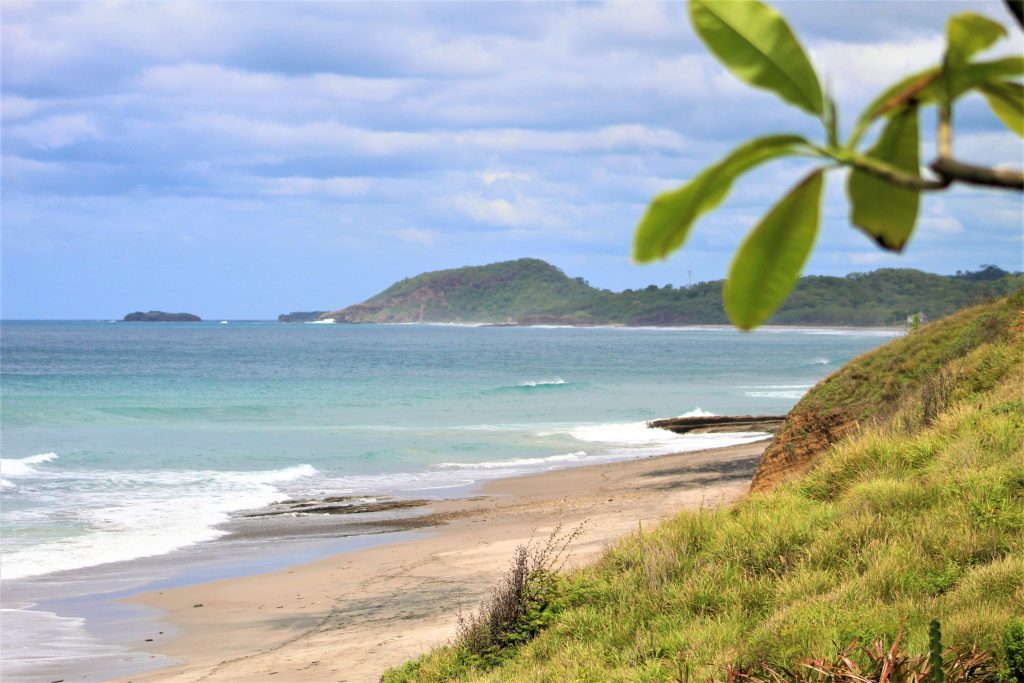
North vs South: how each season behaves differently by region
Dry season differences (north vs south)
In the dry season, the main difference is wind exposure. Some zones stay clean, while others get textured or too offshore depending on orientation.
In the south, the offshore pattern linked to Lake Cocibolca often sets the tone day to day. In the north, mornings can be cleaner, with wind more likely to turn during the day.
Wet season differences (north vs south)
In wet season, swell and weather drive the differences. Orientation decides which zones light up best under the bigger swells.
Southern areas often give you more nearby options if the wind shifts. In the north, you can score excellent surf, but you may need tighter timing and more selective spot choice.
A simple way to choose your base
Choose the south if you want maximum flexibility day to day. It often makes it easier to adjust to wind, swell, and tides with shorter moves. It also suits surfers who want to surf more often with less logistics.
Choose the north if you prefer a quieter pace and are comfortable being selective. It can reward patient timing and good spot choice. It is a strong fit if you do not need every session to be perfect.
In both regions, the “best” base is the one that matches your tolerance. Think about wind sensitivity in dry season. Think about variability and energy in the wet season.
To know more about the different surf spots Nicaragua is offering, check out our surf spots map here.
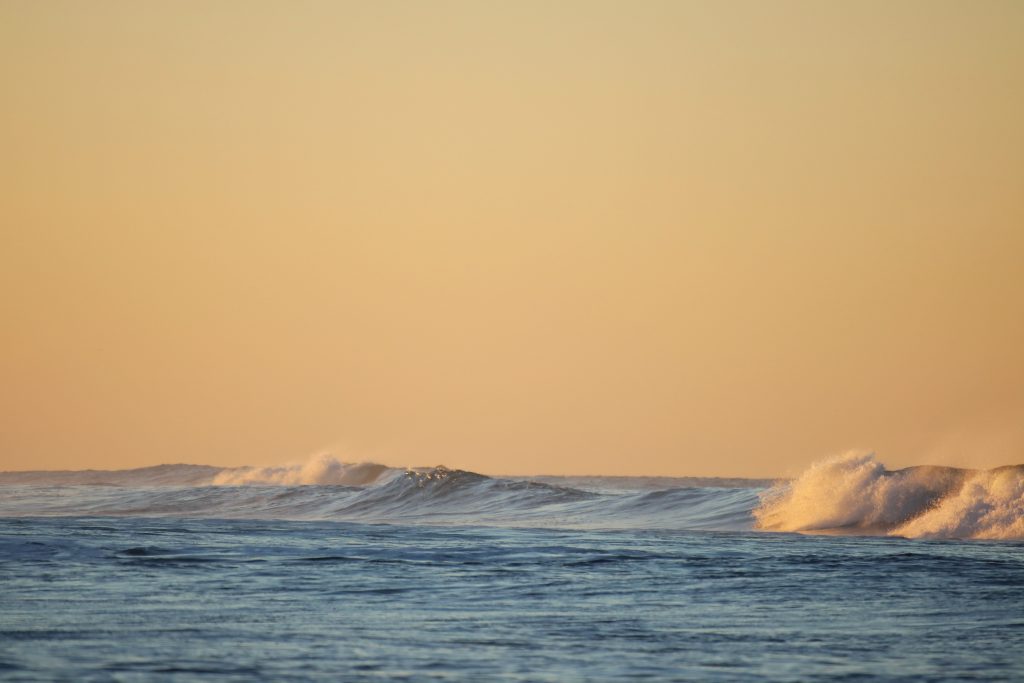
Popoyo season notes: dry season exploration and what changes in wet season
Popoyo is one of the best areas to stay in Nicaragua because several different breaks sit close together, which helps you adjust to the season.
Dry season in Popoyo: salt flats and easier exploration
In dry season, the area opens up. Salt flats are more passable, and access roads are usually easier when the ground stays firm.
The jungle dries out a bit, so scouting and short hikes are more realistic. Stick to established access, respect local rules, and avoid pushing into unknown routes in the heat.
Wet season in Popoyo: access, timing, and realistic boundaries
In wet season, a short rain can change a road quickly, and trails can grow over fast. You can still move around, but you plan with more margin.
River crossings and low areas become the main constraint after rain. If conditions turn, the smart play is to pivot to a more protected setup rather than forcing the most exposed beach.
Staying with us in Popoyo
If you want to base your trip in Popoyo, our surf resort keeps you close to the breaks and the daily surf routine. If you are ready to plan dates, send an inquiry to book, and we will help you choose a season window that fits your goals and comfort level.
FAQs
When Is the Best Time to Surf Nicaragua
A guide for Surfers and International Travelers
No. The dry season has more frequent offshore patterns, but it is not automatic everywhere, every day. Wind strength and direction can change with exposure and local geography. A beach that is open to wind will show texture sooner than a more protected setup. If it is blowing too hard, it can also make waves feel stiff and harder to surf, even if the face looks clean.
No. Wet seasons can have rain and fast-moving weather, but it is not constant storms. Many days have long clean windows and normal session planning. When storms do pass through, the main issues are short gusts, surface texture, and lower visibility on the horizon. The practical approach is to stay flexible and surf when the window is open, instead of forcing a fixed schedule.
Yes. River mouths influence how sand moves and where sandbars form. When a channel opens, shifts, or partially closes, it can change the nearby bank. That can move peaks up or down the beach and change the shape of the takeoff. It can also create stronger currents near the outlet, especially after rain. The waves you surf at the same beach can feel different week to week because the sand is not static.
Nicaragua is generally warm, but comfort still changes through the year. Wind can make the water feel cooler in the dry season, especially across long sessions. Wet seasons often feel warmer, but heat and humidity can drain you faster. Most surfers keep it simple, then adjust based on how they personally handle wind chill, sun exposure, and time in the water.