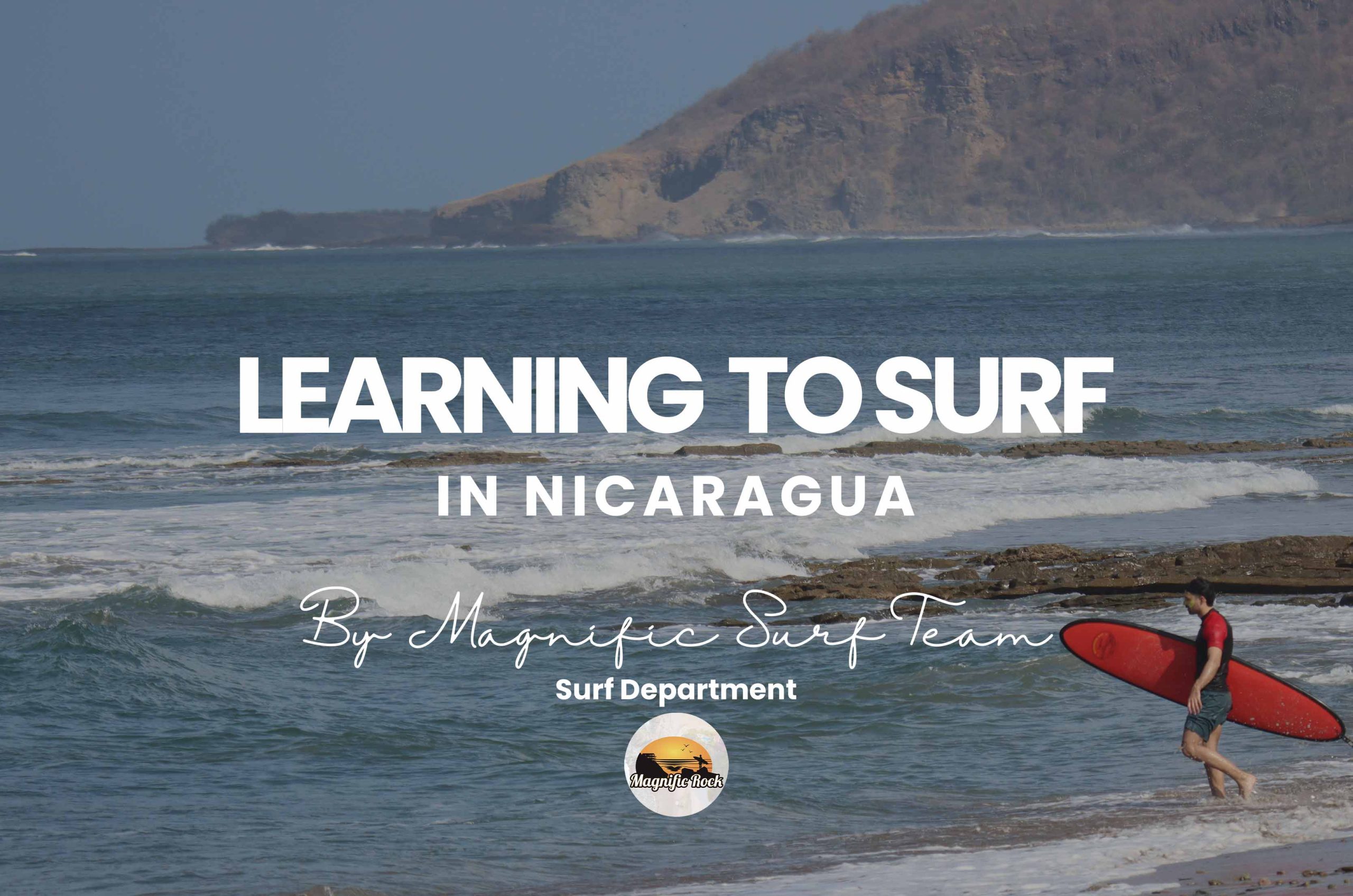

Most surfers planning a Central American trip default to Costa Rica. That makes sense. The infrastructure is established, the reputation is solid, and the name recognition makes logistics feel straightforward. What Costa Rica increasingly cannot offer is space. Its most celebrated surf destinations, Santa Teresa, Tamarindo, Nosara, have been absorbed by the tourism machine that follows quality waves wherever they are found long enough. The lineups are busy. The prices reflect it.
Popoyo, on Nicaragua’s South Pacific coast, is the answer to that problem. And it is a more complete answer than most surfers expect before they arrive.
Where Popoyo Is, and How to Get There
Popoyo sits on the Pacific coast of southwestern Nicaragua, in the Rivas Department, roughly two and a half hours by road from Managua’s Augusto C. Sandino International Airport. The drive from the capital moves through colonial towns and farmland, and gradually thins out as the landscape opens toward the coast. By the time the ocean appears, the development along the road has narrowed to small fishing communities, boats pulled up on the sand, and little else.
The nearest reference point most travelers recognize is San Juan del Sur, about forty minutes to the south. Popoyo sits just north of that, in a stretch of coast centered around the Tola municipality that concentrates some of the most consistent waves in Nicaragua within a few kilometers of each other. The infrastructure around them remains modest.
Getting there is direct. Fly into Managua, arrange a shuttle or rent a car, and follow the road south toward Rivas and then west toward the coast. For most North American travelers, the journey takes less than a day from departure to the water.
The Conditions That Make Popoyo Exceptional
The consistency of surf at Popoyo is not a matter of luck. Two physical factors combine to produce near-daily rideable waves for most of the year.
The first is offshore wind. Nicaragua benefits from approximately 300 days of offshore conditions annually. The trade wind system flows across the country from the Caribbean coast and is amplified by Lake Nicaragua, the largest lake in Central America, which sits inland to the east. Air moving across its surface arrives at the Pacific coast in a direction that holds the wave faces clean and grooms the surface. The result is well-organized, textured surf at a frequency that most Pacific coastlines cannot match.
The second is swell direction. Southern and southwestern swells generated in the southern hemisphere travel a long fetch before reaching Nicaragua, which means they arrive in organized, predictable sets rather than disorganized chop. The coast at Popoyo faces west and southwest, which puts it directly in the path of these swells across every break in the area.
The swell season: March to November
This is when Popoyo reaches its full range. Swells become more frequent and more powerful from March onward, with May through August delivering overhead and overhead-plus surf on a regular basis. Offshore wind is most reliable during this period. Intermediate and advanced surfers will find the Main Reef, La Lejana, and the Outer Reef working properly on most days.
The dry season: November to April
Conditions scale back to something smaller, cleaner, and more consistent in character. Swell is present but less powerful, which produces the most accessible waves of the year. Clear skies, minimal rain, and a predictable ocean make this the most natural window for a first trip to Popoyo, or for focused technical work in forgiving conditions.
A Break for Every Level, Within Minutes of Each Other
Most surf destinations have a signature break: one wave that put them on the map, and a handful of secondary options nearby. Popoyo is structurally different. It has a cluster of breaks across a compact stretch of coast that covers every skill level from absolute beginner to expert, close enough together that a surfer can move between them within a single day.
That proximity matters beyond wave variety. It means progression can happen at Popoyo without ever changing base. A beginner working through their first pop-ups and an advanced surfer chasing the Outer Reef can both find the right water within minutes of each other. Very few destinations in Central America, or anywhere, offer that range in such a short stretch of coast.
For beginners: Beginner Bay, Magnific Rock and Lance’s Left
Beginner Bay is the main beginner break in the area. It delivers the mellowest conditions in the area: small, soft waves over sand that ask very little of the surfer physically and allow complete focus on technique. It is the right starting point for a first session, and a useful reset on days when confidence needs rebuilding before moving to more active water.
Magnific Rock, a beach break about fifteen minutes from the main cluster, adds another beginner-accessible option with slightly more energy: a gentle step up from Guasacate for surfers ready to encounter a little more movement in the wave without leaving familiar ground.
Lances Left is the third option. It’s a long left point break, one of the few in Nicaragua, that peels slow and forgiving on a small swell, offering some of the longest, most manageable rides in the area. It sits below a cliff near Astillero and is reached most easily by the boat trips the local camps run.
For intermediates: La Lejana and Main Reef
La Lejana is a point break that produces long, marching lefts when a solid southwest swell is running. The wave has steep shoulders and the occasional hollow section, which rewards surfers who have their positioning and timing working. Sessions at La Lejana feel different from beach break practice: the wave has enough length to set up real decisions about where to go on the face.
Main Reef is an A-frame that breaks in both directions over a well-covered rock ledge. Hollow and moderately long, it handles a wide range of swell and tide combinations and offers both a left and a right option depending on where the peak throws. For intermediate surfers, it is the break at Popoyo where sessions start to feel like real surfing rather than managed repetition.
For advanced surfers: the Outer Reef
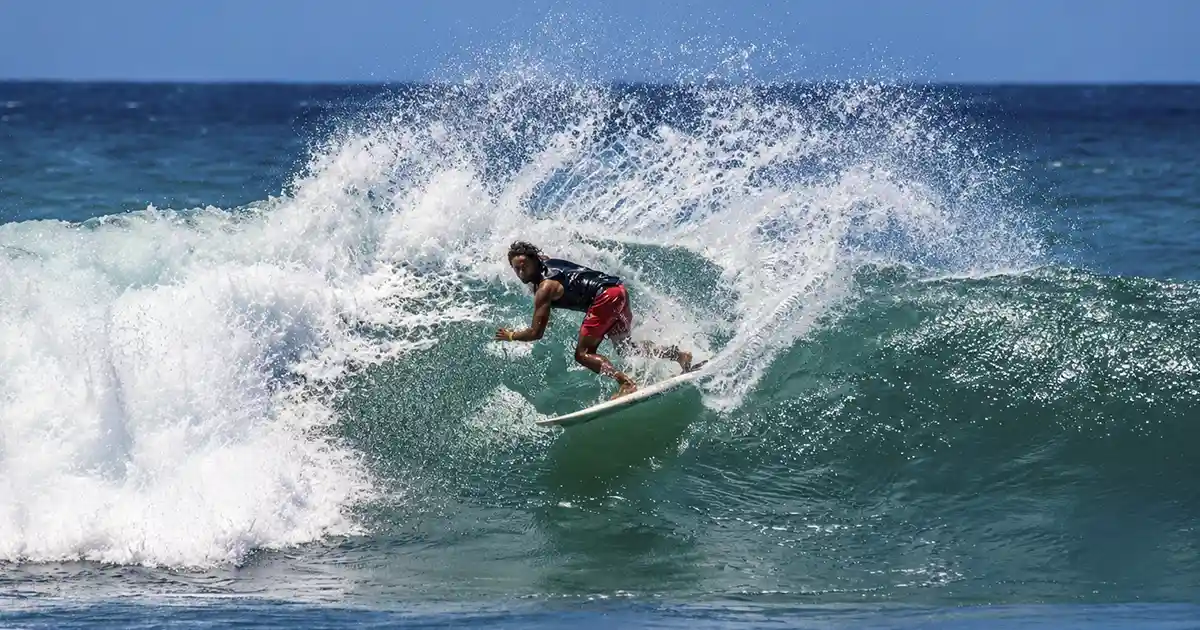
The Outer Reef is a different category of wave. Most surfers who have surfed it describe it as one of the heaviest breaks in Central America: fast, ultra-hollow, breaking over a shallow slab with little margin for error on the take-off. It requires solid water confidence, strong paddle fitness, and the judgment to know when the combination of swell size and wind direction makes it worth paddling out.
When it is on during peak swell season, it is one of the most compelling reef waves in the region. When it is not the right day for it, the rest of Popoyo’s breaks are working. There is no lost session here.
What Popoyo Has That Central America’s Famous Destinations Have Lost
This comparison is worth making directly.
Santa Teresa was genuinely underrated fifteen years ago. Tamarindo had an authentic surf scene before it had a real estate market. Nosara was a quiet discovery. These destinations earned their reputations honestly, on the strength of their waves and the communities that formed around them. Those reputations then did what reputations do: they attracted demand, and demand brought infrastructure, and infrastructure brought prices, and prices brought a different kind of traveler, and eventually the lineup at peak season started to look less like a surf community and more like a managed activity zone.
The waves at all of them are still good. Everything around the waves has changed.
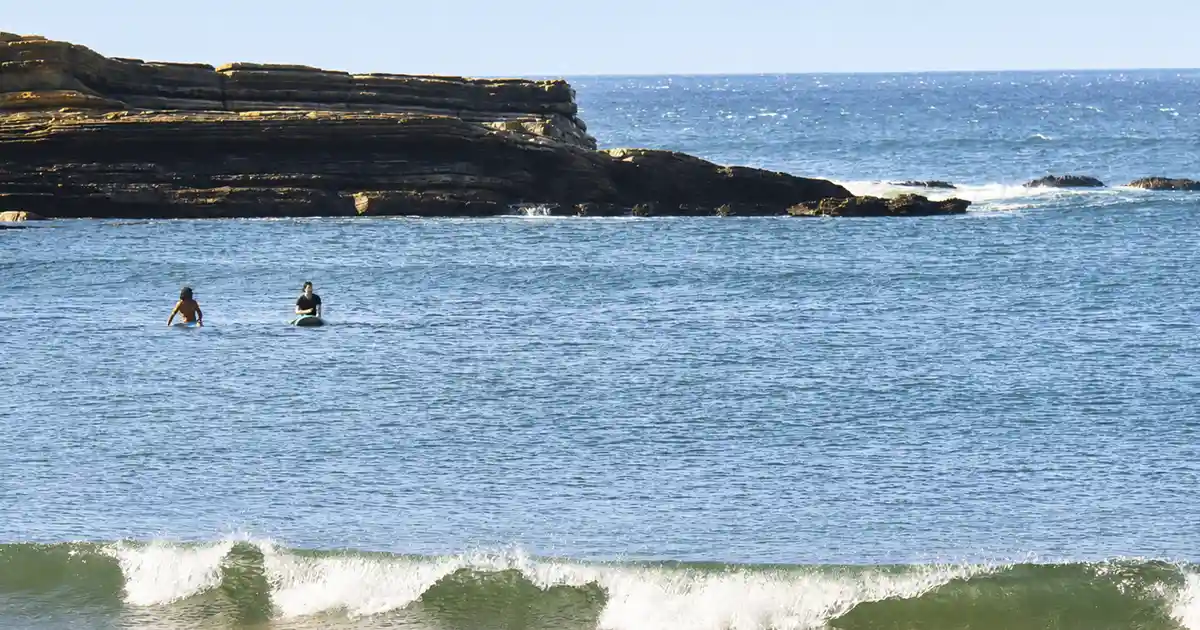
Popoyo offers what those destinations used to: an uncrowded lineup where a beginner can paddle out at Guasacate and have the break largely to themselves on a weekday morning. An intermediate at Main Reef sharing the peak with a small number of surfers rather than jockeying for position. An advanced surfer at the Outer Reef focused on reading the swell rather than managing conflict in a crowded lineup.
More waves per session means more repetitions. More repetitions means faster progression, regardless of level. And Nicaragua remains significantly more affordable than Costa Rica across accommodation, food, and coaching. Longer stays are more accessible. The financial pressure that shortens trips at more expensive destinations is not part of the equation here.
The Pace and Culture of the Place
Popoyo is quiet in a way that is becoming unusual in surf travel.
The days here are organized around the ocean, not around a tourism calendar. Fishermen work the coast at dawn. Horses roam the beach between the breaks. Small restaurants open when it makes sense and close when the food is gone. There is no strip along the beach. No competing surf shops. No sound systems installed facing the water to fill the gaps between sets.
This will not appeal to everyone, and it is not meant to. Travelers who want a full-service destination with nightlife, multiple restaurant options, and the social energy of a popular surf town can find that at San Juan del Sur, forty minutes down the coast. What Popoyo offers instead is the experience of being at a surf destination rather than a surf-themed resort: a place where the quality of the waves is the primary reason anyone is here, and where that priority is visible in how each day is organized.
How Nicaragua Surf Camp Makes the Most of Everything Popoyo Offers
Exceptional conditions only accelerate progression when combined with coaching that knows how to use them.
Knowing when to surf Popoyo versus other spots on a given morning, which tide catches the Main Reef at its best, what a northeast wind means for the different breaks along this stretch of coast: this is the information that takes years to accumulate. It is also the information that determines whether a surfer spends their session fighting the wrong wave or surfing the right one.
Nicaragua Surf Camp is built around Popoyo’s specific character. Sessions are planned around the morning’s swell and wind report, not around a fixed weekly schedule. If dry season conditions are running clean and small, beginners go to Beginner Bay. If a southwest pulse is pushing through, intermediates are at La Lejana or Popoyo main break. That daily decision-making is the product of fifteen years of surfing this coast and understanding how each break responds to different inputs.
Groups are kept small. Every surfer is watched individually, corrected with specificity, and filmed regularly so the feedback loop between what they think they are doing and what they are actually doing closes quickly. Progress here is not a side effect of time in the water. It is the designed outcome of structured sessions in consistent conditions with coaching close enough to the water to matter.
The coaching team at Nicaragua Surf Camp has built its approach around this coast specifically, not around a general surf instruction framework imported from elsewhere. A full breakdown of how each week is organized is on the surf packages page.
Who Popoyo Is Right For, and When to Come
Popoyo works across a wider range of surfer profiles than most Central American destinations. The variation in breaks and the length of the surf season mean that different visitors find different things here, often at the same time.
Complete beginners are well-served by the dry season, November through April. Waves at Beginner Bay during this period are small, clean, and consistent enough to generate the daily repetitions that build the foundations of surfing. Warm water removes the restriction of a wetsuit at exactly the stage when body freedom matters most for technique.
Intermediate surfers find Popoyo at its most useful from March onward, when La Lejana and Main Reef start working properly and the transition from beach break to reef becomes available within the same base. The consistency of swell during this period means sessions can be planned with confidence rather than adjusted around forecasts.
Advanced surfers come for the summer months: May through August, when the Outer Reef and the more powerful sections of Main Reef are running on a regular basis. The wave quality during peak swell season compares with anything else in Central America. The crowd levels do not.
For the full seasonal breakdown, the specific swell windows for each break, and what to expect across different times of year, the Nicaragua Surf Guide covers the details that matter before booking.