The Journey at a Glance
| Starting point | Option | Approx. cost | Approx. time |
| Managua airport | Private transfer | $80-120 | 2.5 hours |
| Managua airport | Rental car | $50-100/day | 2.5 hours |
| Managua airport | Public bus | $3-5 | 3.5+ hours |
| Peñas Blancas (Costa Rica border) | Taxi + connection | $60-80 | 1.5-2 hours |
| Rivas | Taxi | $25-30 | 45 minutes |
Flying into Nicaragua
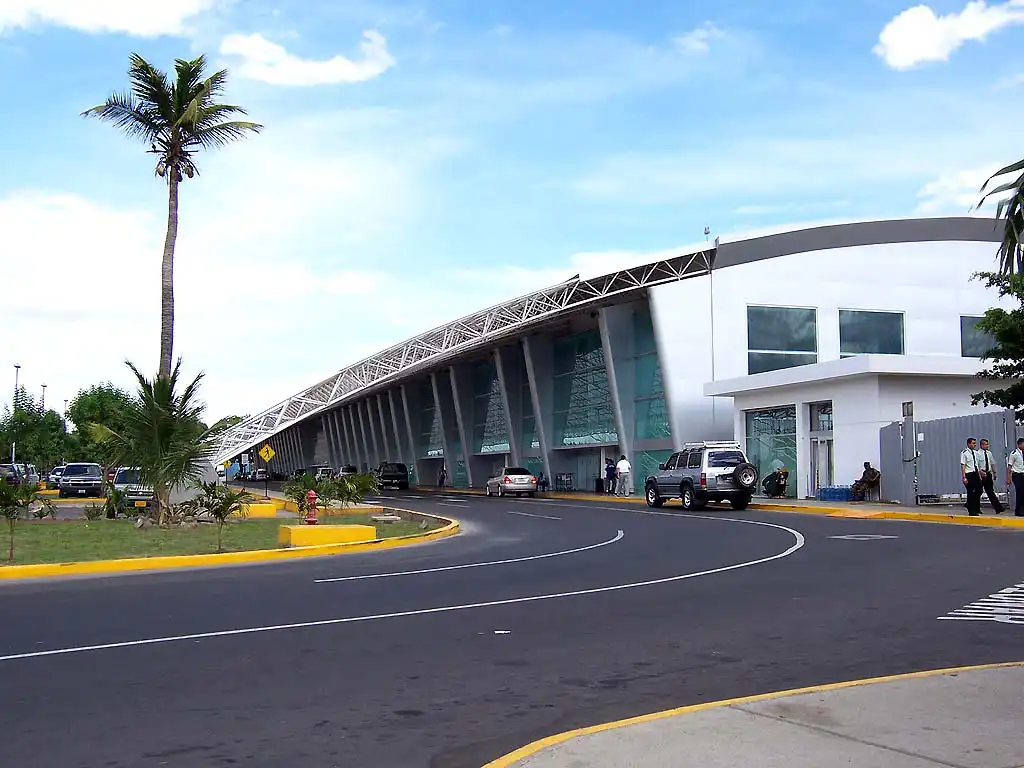
Managua’s Augusto César Sandino International Airport (MGA) is the main entry point for most travelers. Direct flights operate from Miami, Houston, and Los Angeles. From Europe, connections route through Miami, Houston, or Panama City. Flight time from the US East Coast runs around 3 to 4 hours; from Europe, expect 12 to 18 hours with one stop depending on where you start.
A smaller regional airport, Costa Esmeralda (ECI), sits roughly 10 kilometers from Popoyo. It handles charter and private flights only. For most travelers on commercial routes, Managua is where the journey begins.
From Managua to Popoyo: Your Three Options
The drive from Managua to Popoyo covers around 150 kilometers. The Pan-American Highway south toward Rivas is fast and well-maintained. The final stretch into the Popoyo area is where road quality varies, particularly during the rainy season.
Private Transfer
The most practical option for surf travelers. A driver meets you at arrivals, loads your gear, and takes you directly to your accommodation. No connections to manage, no schedule to chase.
Cost runs between $80 and $120 depending on provider and group size. The journey takes around 2.5 hours. Operators running this route include Pacific Tours, Louis Taxi Popoyo, and NicaRoads Shuttle. Book in advance during peak season (December to April), and confirm at the time of booking that the vehicle can fit surfboards.
Rental Car
A rental car makes sense if you plan to explore breaks beyond the immediate Popoyo area or want flexibility during your stay. All major agencies (Hertz, Budget, Avis) operate at Managua airport.
The highway driving is straightforward. The roads around Tola and Popoyo are mostly paved but degrade in sections after heavy rain. A standard car manages fine in dry season; but between May and November, a 4×4 is highly recommended. One practical note: arriving in Popoyo for the first time after dark, on roads you do not know, is avoidable stress. If your flight lands late, an overnight in Managua followed by an early morning drive is the smarter call.
Public Bus
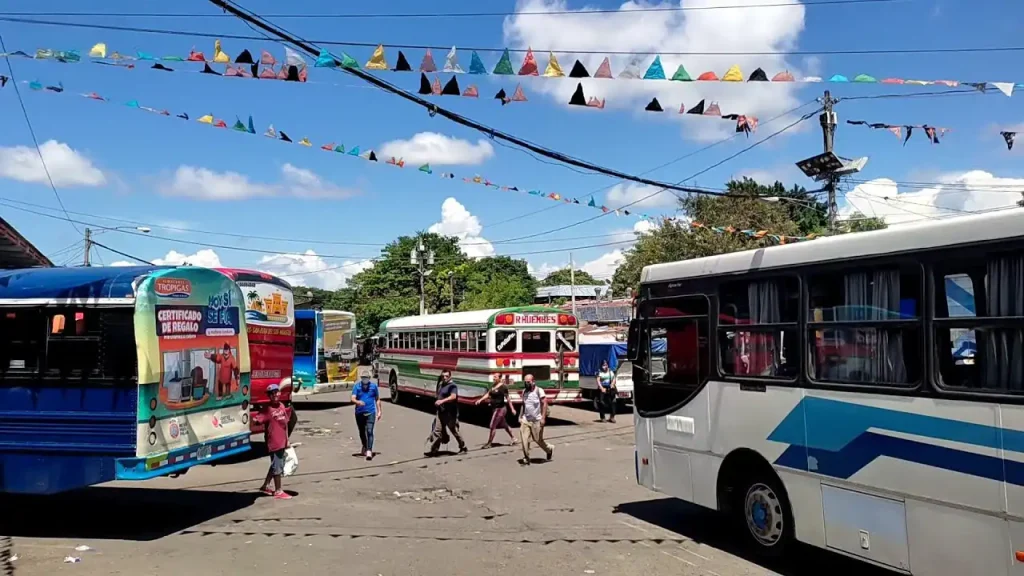
The cheapest option and the most time-intensive. From Managua’s Mercado Roberto Huembes terminal, buses run south with connections toward Rivas and the coast. The full journey involves at least two transfers and takes upward of 3.5 hours.
This works for a solo traveler with a backpack. It becomes significantly less practical with a board bag. Schedules also thin out after early afternoon, so if your flight lands late in the day, this option is effectively closed.
Coming from Costa Rica
The standard crossing is at Peñas Blancas, on the Pan-American Highway. It costs $10 to exit Costa Rica and $10 to enter Nicaragua, which covers a 90-day tourist visa. The process is straightforward but can be slow, especially on weekends and around holiday periods. Allow at least 1.5 hours at the border. Always have extra small bills on you extra fees that can come up.
From Peñas Blancas, Rivas is 35 minutes by taxi. From Rivas, you connect onward to Popoyo. If you are coming from southern Costa Rica, the full journey from San José to Popoyo runs 4 to 6 hours depending on border wait times. Tica Bus operates scheduled services from San José to Rivas for travelers who prefer not to manage the connections independently.
The Last Leg: Rivas to Popoyo
Rivas is where most bus routes converge before the final push to the coast. It is a transit point, not a destination.
From the main bus terminal in Rivas, a taxi to Popoyo costs $25 to $30 and takes around 45 minutes. This is the most reliable option for this leg. Agree on the price before you get in, and avoid accepting offers from drivers who approach you inside the terminal.
The local chicken bus to Las Salinas is cheaper (around $1.50, or 50 córdobas) but runs on a fixed schedule. Main departures from Rivas are at 5:30am, 9:10am, 11:00am, 12:50pm, 2:30pm, and 4:00pm. Miss the last bus and a taxi is your only option.
A practical rule: aim to arrive in Rivas before 3pm. It keeps all connection options open and gets you to Popoyo with daylight to spare. For a full breakdown of what awaits once you get there, including breaks by level and what to expect in the water, the Nicaragua Surf Guide covers everything you need before your first session.
Traveling with Surfboards
Most people don’t think about this until they’re standing at the baggage carousel with a board bag. A few things worth knowing before you leave home: It’s a good idea to bring straps or rope just in case. That allows boards to be put on the roofs of smaller vehicles.
- Private transfer: Confirm board capacity when you book. Most standard sedans do not fit a full board bag. Request a truck, van or large SUV. A reliable operator will confirm vehicle size without you asking twice.
- Rental car: A full-size SUV fits most single board bags. Multiple boards need a roof rack. Sort this at the rental desk, not in the car park.
- Public bus: Surfboards are accepted on most chicken buses for a surcharge of around $2. Boards ride on the roof. It works, but a long trip with your quiver up top is not the preferred option.
- Rivas taxis: Same constraint as airport taxis. If you are carrying boards, ask specifically for a pickup truck or larger vehicle at the terminal.
The cleanest solution is a private transfer booked with board capacity confirmed upfront.
A Few Things to Know Before You Go
- Cash: ATMs are available in Popoyo at La Jolla de Guasacate and in local areas, so you won’t arrive without options. The nearest proper bank, however, is about 15-20 minutes from Popoyo by Iguanas. It’s still worth withdrawing some cash in Managua or Rivas to cover the journey and avoid any gaps.
- Currency: US dollars are widely accepted alongside córdobas. Small bills in both currencies make transactions easier.
- Timing: Leave Managua before noon. This keeps all connection options open and gets you to Popoyo with daylight.
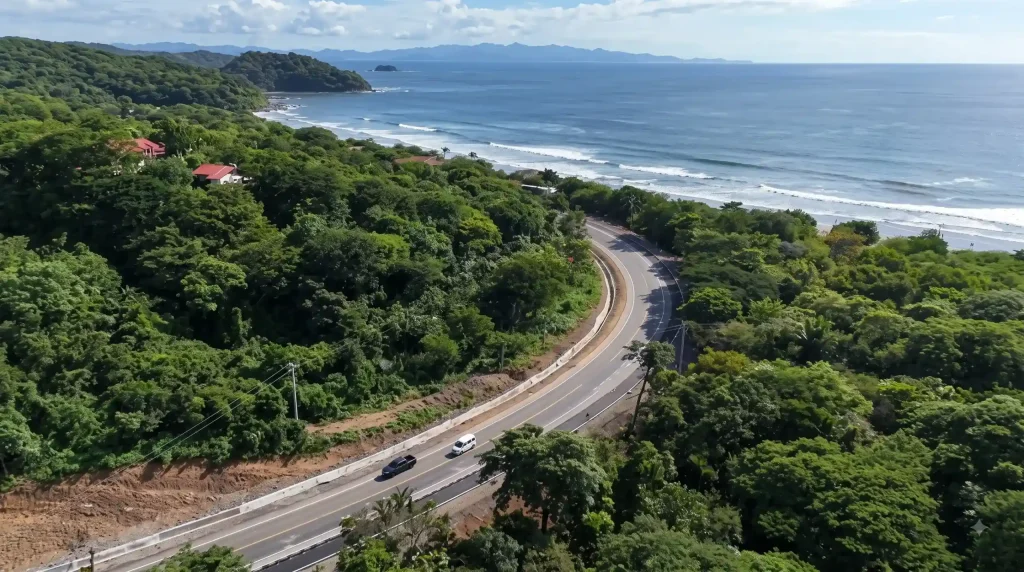
- Roads: A new coastal highway has been built, making access along the coast significantly easier. Travel between spots is faster and more straightforward than it used to be. The Pan-American Highway remains fast and in good condition, and roads toward Popoyo are passable without a specialist vehicle in dry conditions.
- Spanish: Basic phrases go a long way in Rivas and on local buses. English is limited outside of the surf area around Popoyo.
Prefer to Skip the Logistics?
Magnific Rock arranges airport transfers directly from Managua. A driver meets you at arrivals, handles your boards, and brings you straight to Popoyo. It is one less thing to manage before a surf trip. Browse the available packages to see what is included, and get in touch to arrange your transfer at the same time as your booking.