How to plan a surf trip is not easy. Waves depend on swell, wind, and tide. Your gear and boards add constraints. Distances can look short on a map and still cost you a session.
Good planning keeps you in the water longer. It also reduces the small problems that pile up fast, like arriving in the wrong season, staying too far from the surf, or choosing the wrong spot’s in the morning. This guide breaks the process into simple decisions you can make before you book, and quick checks you can run each day on the ground.
Choose a destination that fits your surfing, not just the photos
The right destination is the one you can surf most days with confidence. Consistency matters more than reputation. A famous wave is useless if it sits outside your comfort zone, or if you spend the week hesitating on the shoulder.
Pick a place where the average day works for you. Think about the conditions you can handle when the swell is not perfect. That is what you will surf most often.
A good match also reduces risk. When you are not constantly overpowered, you make clearer decisions. You also stay in the water longer, and have more fun, which is what creates progress.
Wave types and setups that suit your level
Use this table to translate “wave type” into what it feels like in the water. Look for the column that matches how you want your sessions to feel most days.
| What you’re choosing for | Friendlier, more forgiving sessions | Requires confidence and timing | High consequence, low margin |
| Wave shape | Open faces, softer shoulders | Steeper takeoffs, faster walls | Hollow, ledgy, closes quickly |
| Power (at the same height) | Manageable push, easy resets | Heavier impact, more drift | Heavy holds, strong currents |
| Takeoff | Time to set your feet and line | Late drops happen more often | Immediate commitment, no hesitations |
| Bottom / hazards | Sand or deep water | Mixed bottom, some shallow zones | Shallow reef, rocks, narrow channels |
| Paddle-out and entry | Straightforward access | Requires reading sets and channels | Demands experience with currents and timing |
| Mistake cost | Fall and try again | Fall and lose position | Fall and it can get serious fast |
If you are between columns, plan for the more demanding one. Travel days, fatigue, and unfamiliar lineups make everything harder than at home.
Crowds and vibe: what you actually want day to day
Crowds change the whole trip. More people means fewer waves, more pressure, and less room to make mistakes. It also makes it harder to learn a new lineup quietly.
Be honest about what you enjoy. Some surfers like busy peaks and social energy. Others want space, calmer routines, and less noise in the water.
A destination with manageable crowds often gives you better surfing than the most talked-about spot. You paddle for more waves, you hesitate less, and you come home with more real sessions.
Pick the right season and read the conditions basics
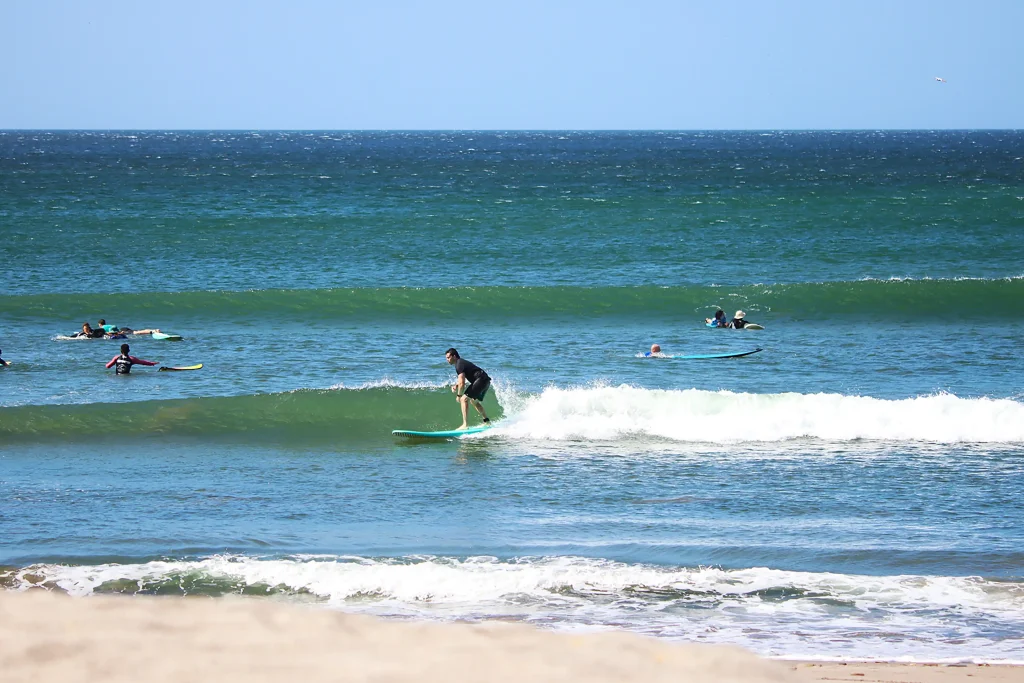
“Best season” means the best chances, not a guarantee. Surf depends on a lot of different parts. When those parts line up often, you get more consistent sessions. When they do not, you may still score, but the odds drop.
Seasonality is also about what you are willing to surf. A season that produces bigger, more powerful waves can be ideal for experienced surfers. The same season can be intimidating or unsafe for someone stepping up.
You do not need to become a forecaster, but you do need a basic understanding of what creates surf, and what ruins it. That knowledge helps you pick travel dates with realistic expectations.
Swell windows, wind patterns, and what “best season” really means
Start with swell exposure. A coastline only gets waves when swell direction can reach it. A spot that faces the swell gets more consistent surf. A sheltered bay may need a specific angle to work.
Then look at the swell period. Longer-period swells carry more energy. They often create more powerful waves and stronger currents. Short-period swells can be fun, but they may feel weaker and break differently.
Wind is the daily dealbreaker. Onshore wind blows into the waves and makes them crumble. Offshore wind holds the face up and keeps the wall clean. Many destinations have prevailing winds that shift by season or by time of day.
A “best season” is usually when swell exposure is reliable and winds behave more often. It is a season of higher probability, not certainty.
Tides and why some spots only work at certain times
Tide changes water depth. Depth changes where the wave breaks and how it breaks. That can affect shape, speed, and safety.
Some waves need more water to soften the takeoff. They can be playful at mid or high tide and too steep at low tide. Other waves need less water to focus the peak. They can go flat or sectiony when the tide is too full.
Use tide as a filter when choosing sessions. If a spot is known as “low-tide only” or “high-tide only,” take that seriously. The same wave can shift from fun to sketchy in one tide swing.
Build a simple forecast routine for each day
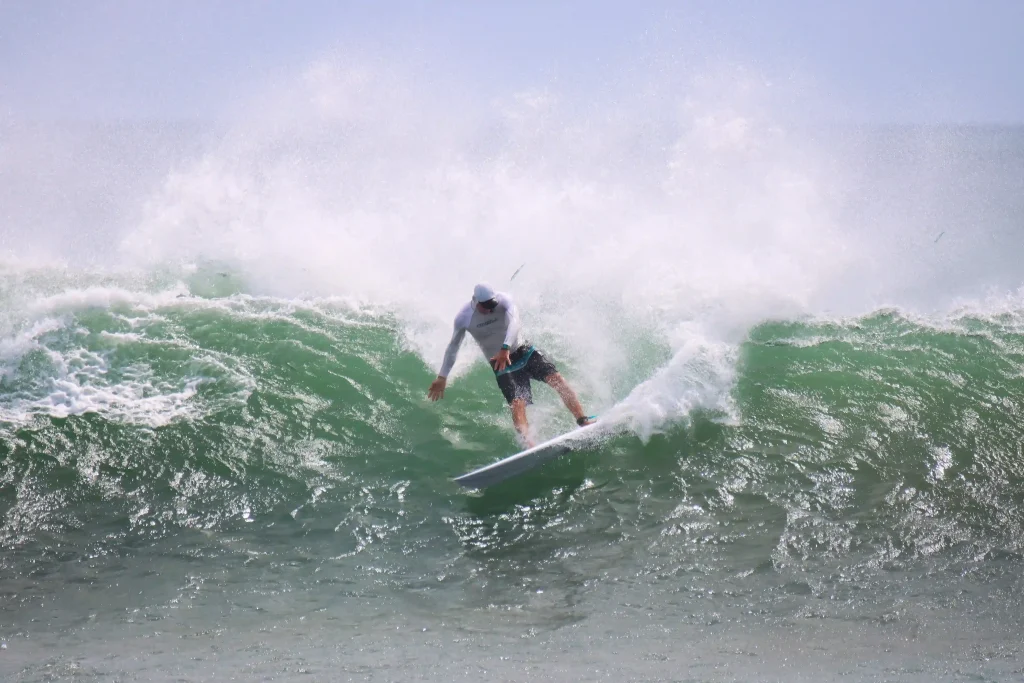
Surf reports are useful when they lead to a decision. A routine keeps you from chasing every update. It also helps you adapt when the ocean looks different than the charts.
Keep it simple. Check a few inputs, then confirm with your eyes. Conditions can change fast near the coast. A quick plan keeps you moving toward the best window of the day.
What to check (and in what order)
- Swell size
Check the range, not the single number. Think: “small and playful” versus “powerful and demanding.” - Swell direction
Direction tells you which coasts and setups will actually receive the swell. A great forecast can miss a spot that is sheltered. - Swell period
A longer period usually means more energy and stronger currents. Shorter periods often feel softer and less defined. - Wind direction and strength
Wind can make or break the session. Light offshore can clean things up. Strong wind can create drift and make paddling hard, even if the waves look good. - Tide timing
Use tide to choose your session window. If a spot is tide-sensitive, this can matter more than a small change in swell size. - Spot fit for the day
Match the inputs to a setup that handles the swell, the wind, and the tide. If you have two options, pick the one with easier access and more forgiving margins.
When to paddle out vs when to wait or move
Paddle out when the ocean matches the plan. You should see consistent sets, manageable currents, and a lineup you can read. If you are unsure, watch a full set cycle before you commit.
Wait if the wind is shifting in your favor. A messy surface can clean up in an hour. The same is true when the tide is moving toward the range a spot needs.
Move when the basics are wrong. If the wind is onshore and strengthening, or the swell direction is missing the spot, patience will not fix it. Changing location is often the fastest way back to a quality session.
Plan logistics around surf time
Every surf trip has hidden time drains. Long drives, slow starts, and small errands can eat the cleanest window of the day. Good logistics protect your surf time. They also protect your energy, which changes how you surf.
Plan around your likely surf windows. Many places have better conditions at specific times. If your setup makes it hard to act quickly, you will miss more sessions than you expect.
Common time thieves (and what they cost)
- Staying far from the surf: you skip “quick paddles” and surf less often
- Overplanned days: you arrive after the wind or tide has shifted
- Too many missions for food and basics: you waste daylight and lose momentum
- Unclear meeting points and routines: everyone waits, nobody surfs
- No buffer for delays: one problem turns into a lost session
Simple fixes that keep you in the water
- Choose one main zone for most sessions, then add options around it
- Keep mornings light: surf first, then do errands when conditions drop
- Stock basics once so you are not doing daily resupply runs
- Use one default plan and adjust only when conditions demand it
- Build buffers so you can still surf when something runs late
Where to stay: proximity to waves and flexibility
Stay close to the surf you expect to ride most often. Short access makes it easier to catch short, high-quality sessions. It also lets you react when the ocean looks better than expected.
Staying in walking distance of the break, like our surf camp accommodation, is the perfect setup.
Proximity matters on average days. You waste less time on traffic, parking, and hauling gear. You also recover better between sessions.
Flexibility matters too. If you are well positioned, you can change plans without losing half the day.
Transport: moving with conditions without exhausting yourself
Choose a transport plan that matches your trip style. If you want to explore, you need reliable mobility. If you prefer routine, keep movement minimal and save energy for surfing.
Avoid turning every session into a long drive. Long transfers add fatigue and reduce time in the water. They also increase the chance you arrive after conditions have changed.
Set a realistic radius for daily moves. Think about road quality, daylight, and how you feel after two sessions. The best plan is the one you can repeat for a full week without burning out.
If you want the planning done for you: surf camp vs surf expedition
Some surfers enjoy building the trip themselves. Others prefer to save their focus for the ocean and keep logistics simple. Both approaches can work, but they solve different problems.
Who a surf camp fits best
A surf camp is the simplest way to turn a surf trip into consistent water time. It suits surfers who want structure, but still want to surf at their own pace. It also fits anyone who does not want to spend the week solving transport, timing, and spot choice.
If you are traveling somewhere you do not know, local decisions remove a lot of guesswork. You avoid driving to the wrong zone for the wind or tide. You spend less time “checking and doubting,” and more time paddling out.
A camp also makes sense when your trip is short. You skip the trial-and-error phase that usually eats the first days. You get into a rhythm faster.
If you want guidance in the lineup, a surf camp is also the most direct format. Coaching, feedback, and local wave knowledge help you surf unfamiliar setups with more clarity. If that is what you are looking for, our surfcamp is designed around exactly this kind of week.
Use the comparison below to pick the format that matches how you want to live your days.
| What matters | Surf camp (home base) | Surf expedition (moving trip) |
| Daily decisions | Fewer choices. Routine is set and adjusted locally. | More choices. You decide where to go and when to move. |
| Wave access | Optimized around a zone with reliable options nearby. | Built around chasing conditions across multiple areas. |
| Flexibility | Flexible within a defined area. | High flexibility, with more variables and trade-offs. |
| Energy and recovery | Easier to keep a steady rhythm and rest well. | More driving, packing, and transition fatigue. |
| Best for | Surfers who want consistency, support, and a smoother plan. | Surfers who want autonomy and enjoy the “mission” side of travel. |
| Main trade-off | Less roaming. More commitment to one region. | More logistics. Higher chance of wasted time if choices are off. |
Planning a surf trip to Nicaragua: what changes in the real world
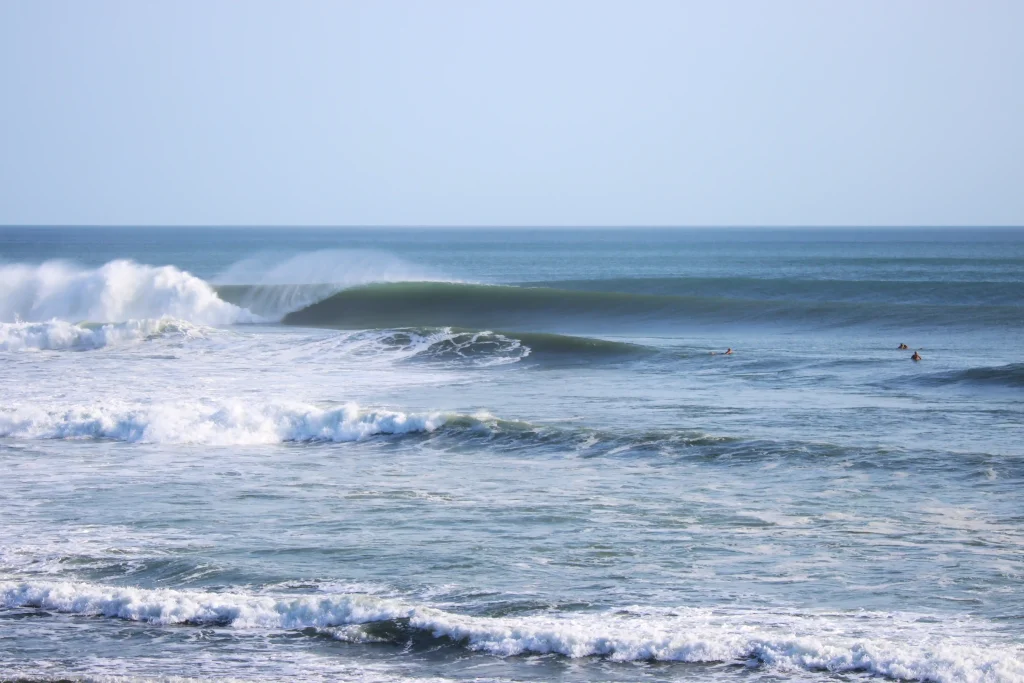
Nicaragua’s Pacific coast is set up for surf travel, but it has its own rhythm. The country gets consistent swell windows across much of the year, with a well known southern-hemisphere swell season running roughly March to November.
Wind is a big part of the equation here. Many areas benefit from frequent offshore flow driven by inland heating and the lake basin effect, which can groom waves, especially earlier in the day.
If you plan with those patterns in mind, you spend less time second-guessing sessions. You also avoid building a schedule that fights the conditions.
Want a deeper dive on seasons, spots, and how the coast works?
Read our complete Nicaragua surf guide
Conditions and rhythm (winds, tides, consistency)
Expect a day structure built around wind shifts. Offshore winds can be common, but strength and timing still matter for paddling and wave shape.
Tide matters because many breaks change character fast as water level moves. You will usually see multiple tide swings in a day, so timing is part of the routine.
The practical takeaway is simple. Have more than one session window in mind, and avoid locking your entire day to a single time.
Culture and etiquette basics for visiting surfers
Nicaragua is relaxed, but it is not a surf theme park. A low-friction trip comes from paying attention to people, not just waves.
In the water, keep your positioning clean, and avoid forcing yourself into rotations you do not understand. On land and in the water, basic Spanish, patience, and respectful behavior go a long way.
If you are unsure, watch first. You learn the pace of a place faster by observing than by assuming.
What makes logistics easier or harder on the ground
Distances can be misleading. Road conditions and rural routes can add time, so plan buffers instead of stacking tight schedules.
If you are flying into Managua and heading toward the Popoyo area, the drive is commonly a bit over two hours by car.
Build your days around simple moves. Too many long transfers increase fatigue, and fatigue shows up in your surfing.
Who prefers a surf expedition style trip
A surf expedition format fits surfers who want mobility and self-direction. It suits people who enjoy changing zones, adapting day by day, and handling the extra moving parts.
It also fits surfers who are comfortable making their own calls in unfamiliar lineups. The trade-off is more planning effort, and less routine.
Conclusion
A good surf trip is the result of a few correct choices repeated every day: the right zone, the right window, and a simple plan you can actually follow.
If you want to surf world class waves in a tropical country and avoid the crowd without the trial-and-error phase, our Surf Camp gives you a practical base close to the waves, so you can spend your time in the water, not in transit.